

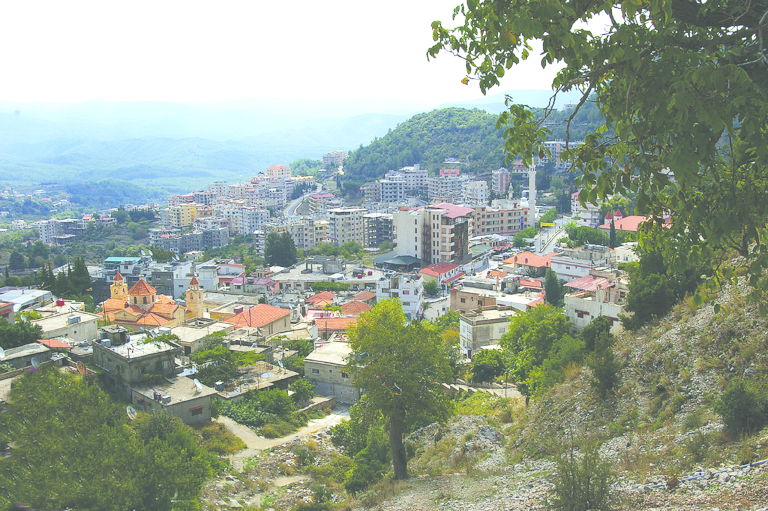
When wildfires swept toward the hills of Qastal Ma‘af in Latakia, Ahmad al-Safi and his neighbors grabbed buckets and hoses, racing to protect their olive groves and citrus orchards.
The 32-year-old farmer had only just rebuilt his war-damaged home with borrowed money, but like the rest of the village, he joined the overnight fight to save their fields, long before any official help arrived.
“We faced the fires in the first hours by ourselves,” al-Safi told Shareable. “Today, however, we’re back to square zero. We depend entirely on agriculture for our livelihood.”
Hundreds of farmers like al-Safi joined the fight as wildfires in July and August scorched about 15,000 hectares of forest and farmland across northern Latakia Province, including Jabal al-Turkmen, Kasab, and al-Badrusiyah, displacing more than 1,150 people and destroying dozens of homes. Many of the families had only recently returned after years of war.
As official efforts faltered, amid aging equipment and crumbling infrastructure, Syrian civil society moved quickly to support the afflicted farmers, forming emergency networks that sent hundreds of volunteers into the fire zones to deliver supplies and support where government services could not reach.
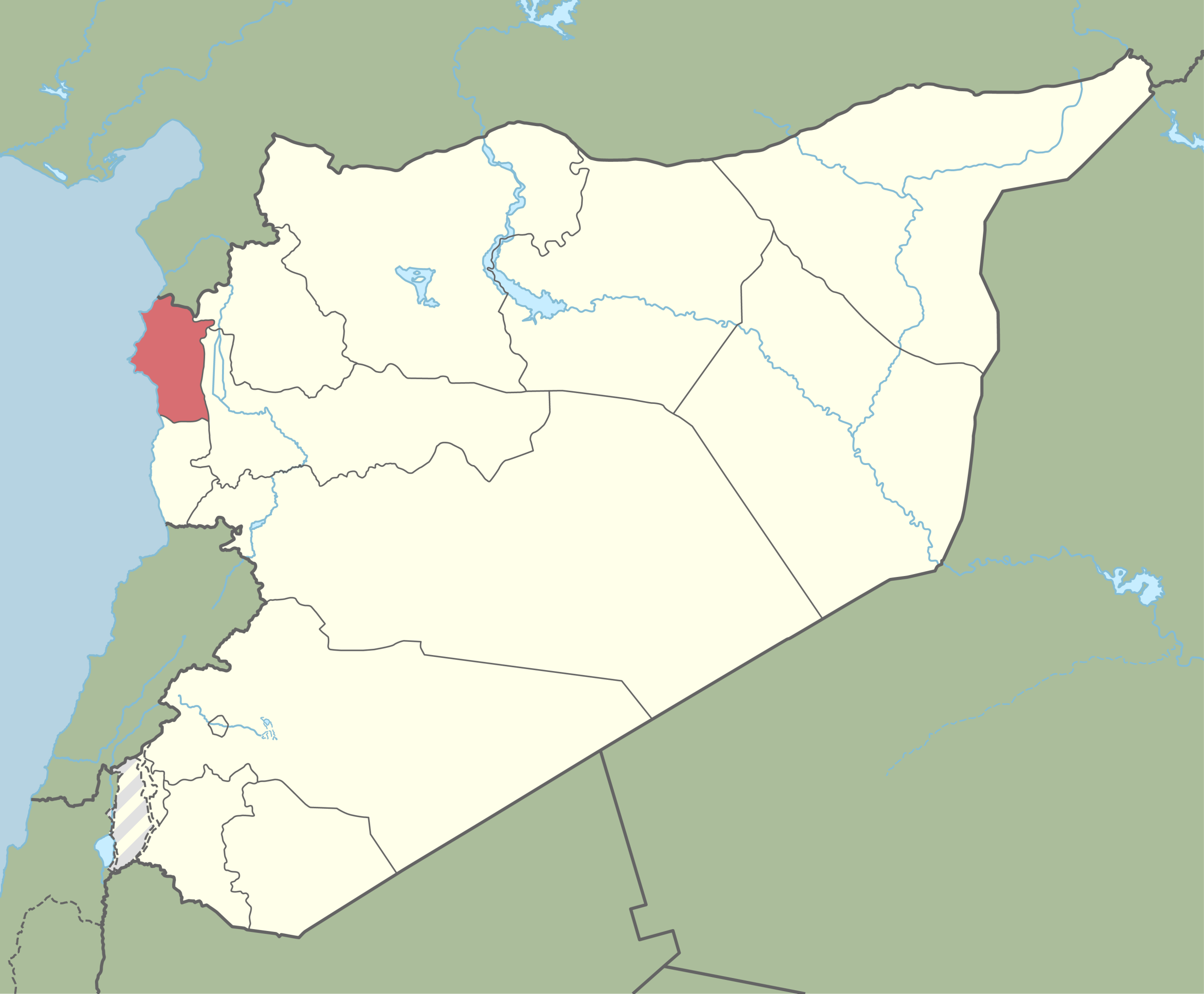
Latakia Province, Syria, highlighted in red. Edited map credit: Karte: NordNordWest, Lizenz: Creative Commons by-sa-3.0 de, CC BY-SA 3.0 DE, via Wikimedia Commons
“Everyone transcended division.”
Activist Waad Hamawi, working with 20 volunteers who had previously collaborated on refugee relief and earthquake response, said that within hours of the news, hundreds of volunteers participated directly in extinguishing fires and helping civil defense personnel.
“We received calls from donors and volunteers from all segments and classes of society. Syria hasn’t witnessed such solidarity in many years. Everyone transcended division.”
The group transported more than 10 water tankers donated by citizens and secured temporary housing for 22 families, including space in a local church and private homes offered by residents.
Another initiative, “Be a Helper,” arranged food baskets and hygiene materials for more than 150 families and established a local donation fund for home repairs.
Syrians for Freedom, one of many groups that aided in the response, focused on supporting firefighters, delivering food, medicine, and blankets from Latakia city while forming volunteer chains across villages to identify and meet needs.
“The main problem was how to reach the mountaintop, the first line of confrontation with the fires,” ِAhmed Hatem, a member of the initiative, explained. “The terrain was extremely rugged and complex, and constant worry about the remnants of war made movement very dangerous.”
That danger is rooted in more than a decade of conflict. Beginning with peaceful protests in 2011 and escalating into a devastating civil war, Syria endured relentless bombardment by the Assad regime and Russian forces that left massive destruction and millions displaced. One of the war’s most lasting legacies is the widespread presence of mines and unexploded munitions.
Even high school students preparing for crucial exams found community support. Volunteer Dalia Abdul Karim helped arrange transportation for 28 students from their temporary shelters to examination centers with the help of 11 volunteers.
“In Syria, you might have to repeat an entire school year if you fail the high school certificate exam, which was a major concern for displaced students,” she explained.
The solidarity even crossed political lines that had divided Syria for years. Syrian Democratic Forces, controlling eastern regions, sent several relief convoys to the coast. Eyewitnesses have also reported volunteers arriving in the south from Sweida province, which has been facing recent ethnic tensions, alongside the Red Crescent.
A perfect storm of destruction
Despite extraordinary volunteer efforts, the grassroots response is still falling short. Hillsides remain charred, farmers face years of lost income, and destroyed infrastructure blocks access to remote villages.
Local networks can provide food and blankets, but not irrigation systems, rebuilt homes, or the costly reforestation and soil work experts deem essential. Sources estimate Syria’s losses at around $1.4 trillion, including forests, olive and citrus fields, livestock, and beehives.
The blazes found ideal conditions to spread, as Syria is experiencing its worst drought in 60 years, combined with strong winds and rugged terrain that made firefighting efforts “nearly impossible,” according to eyewitnesses. And the aforementioned landmines and unexploded ordnance added another layer of danger for those attempting to combat the flames.
In Beit Awwan, 47-year-old farmer Hadi al-Khal surveyed the devastation with anguish.
“We lost thousands of olive trees in our village and neighboring villages,” he said. “Some are over a hundred years old, even the war and repeated bombing couldn’t burn them. Today we’re losing trees planted by our grandfathers and fathers, and we can’t do anything.”
More than 2,000 fires were recorded in the Syrian coast in just two months, with the country losing about 3 percent of its total forest cover, approximately 13,000 hectares, and 40 percent of aromatic and medicinal plants. Environmental lawyer and activist Taha al-Zouzo warned that recovery will require sustained effort and international assistance.
“This crisis exposed the fragility of infrastructure and emergency plans in Syria. In a region suffering from historic drought where climate change effects appear harshly, environmental attention is no longer a luxury.”
The gap between promises and reality
Despite the Transitional Government’s Ministry of Social Affairs and Labor announcing an emergency room for shelter and compensation from the first week, residents describe a wide gap between promises and reality.
Ahmad al-Wali, 40, from Zanzaf village in Qastal Ma’af district, said most affected families “depend to this day on popular and community support through donors and civil society organizations. There are 70 families in urgent need of assistance; most have been displaced to neighboring villages with only a few individuals remaining.”
Activists launched donation campaigns in cooperation with the ministry to compensate farmers for their losses and established funds for reforestation efforts in the coming months. Groups like “With our hands we revive it” and “seedlings of goodness” are working to secure funding to compensate for the 12,000 hectares (~30,000 acres) of forest land the country lost.
“The work is enormous, and we share it with government institutions and civil organizations from across the country,” Hamawi said. “Support didn’t stop at the coastal local community…we received material and in-kind support from various provinces.”
This article is published in collaboration with Egab.
This article originally appeared on Shareable.net.