
In this third video on urban swales, I explain why the level is a key tool in permaculture design and demonstrate its use to ensure that our swales work as intended:
Ed. note: You can find Part 1 in this series here and Part 2 here.

Insight and inspiration in turbulent times.

In this third video on urban swales, I explain why the level is a key tool in permaculture design and demonstrate its use to ensure that our swales work as intended:
Ed. note: You can find Part 1 in this series here and Part 2 here.
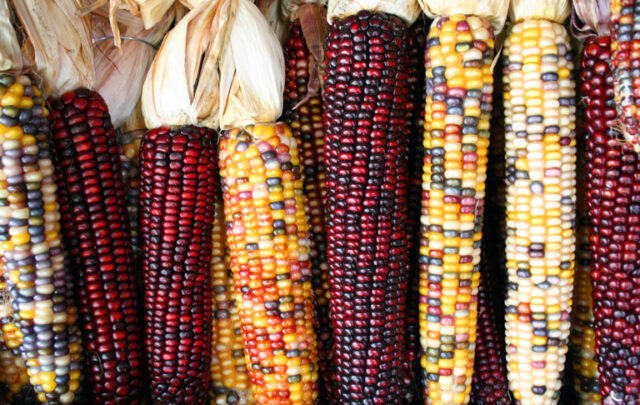
I do think we need this feast to return to its roots, as a potlatch, a bonding redistribution of wealth and full bellies, a rapprochement across the great divides, and a coming together in joy to feed each other. We need something that draws us into community, that builds ties, that creates relationship and memories.
December 3, 2025
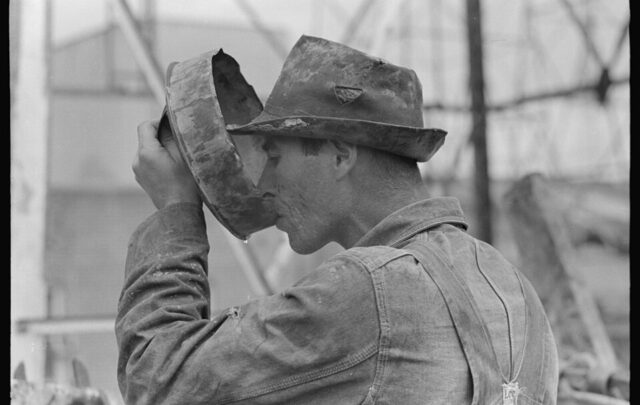
East Texas farmers and ranchers are finding out to their dismay that water has become a commodity like so many of our daily needs.
November 30, 2025

The short, natural experiment we all witnessed reinforces that SNAP is the nation’s first line of defense against hunger and food insecurity and food pantries can only be a secondary and supplemental source of food. Food pantries and food banks cannot substitute for a robust, reliable, government-funded food safety net.
November 26, 2025