

In this interview from the 2013 US Society of Ecological Economics Conference we speak with Nate Hagens about his experience on Wall St. and how it led him to become an ecological economist. Nate describes how the human economy transforms raw materials into brain chemicals.


Related Articles
'SELECT SQL_CALC_FOUND_ROWS wp_posts.ID
FROM wp_posts LEFT JOIN wp_term_relationships ON (wp_posts.ID = wp_term_relationships.object_id)
WHERE 1=1 AND wp_posts.ID NOT IN (1714041) AND (
wp_term_relationships.term_taxonomy_id IN (2)
) AND wp_posts.post_type = \'post\' AND ((wp_posts.post_status = \'publish\'))
GROUP BY wp_posts.ID
ORDER BY wp_posts.post_date DESC
LIMIT 0, 3'
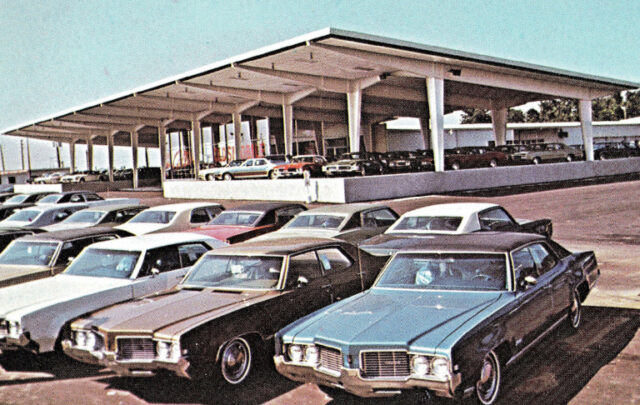
Marx and Sartre go shopping for a car
Why is it so difficult to find a job or to buy products that align with our values? Why is it difficult to even know whether our personal choices might have effects in the right direction?
December 2, 2025

The Shutdown proved that the USA needs SNAP
The short, natural experiment we all witnessed reinforces that SNAP is the nation’s first line of defense against hunger and food insecurity and food pantries can only be a secondary and supplemental source of food. Food pantries and food banks cannot substitute for a robust, reliable, government-funded food safety net.
November 26, 2025
Don’t Forget to Ask: What Happens to the Savings?
The proposal for Degrowth calls for an intentional downscaling of the global economy to achieve both ecological sustainability and social justice. A degrowth transition would help ensure that ecological practices actually displace destructive ones, and that the savings from efficiency measures are truly saved.
November 26, 2025