

Zenobia is the racial justice associate editor for YES! Magazine.
'SELECT SQL_CALC_FOUND_ROWS wp_posts.ID
FROM wp_posts INNER JOIN wp_postmeta ON ( wp_posts.ID = wp_postmeta.post_id )
WHERE 1=1 AND (
wp_posts.ID NOT IN (
SELECT object_id
FROM wp_term_relationships
WHERE term_taxonomy_id IN (47485,47486)
)
) AND (
(
( wp_postmeta.meta_key = \'the_author\' AND wp_postmeta.meta_value = \'3466675\' )
OR
( wp_postmeta.meta_key = \'secondary_author\' AND wp_postmeta.meta_value LIKE \'{874eb03533c24f7d2225eca4403612110a398126f6aff51b00d457b003b45410}\\"3466675\\"{874eb03533c24f7d2225eca4403612110a398126f6aff51b00d457b003b45410}\' )
)
) AND wp_posts.post_type = \'post\' AND ((wp_posts.post_status = \'publish\'))
GROUP BY wp_posts.ID
ORDER BY wp_posts.post_date DESC
LIMIT 0, 6'
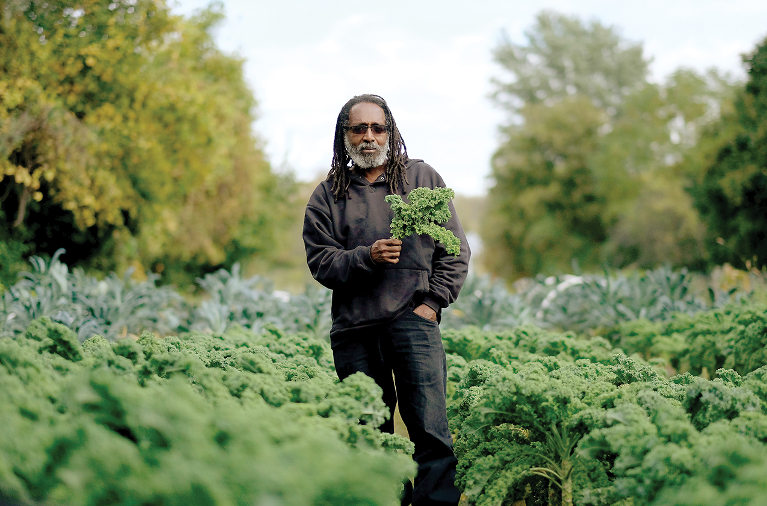
Why Co-ops and Community Farms Can’t Close the Racial Wealth Gap
As much pride and empowerment as there is in community ownership of food-producing gardens and financial services such as credit unions to support local businesses, research shows those sorts of grassroots efforts cannot close the ever-growing wealth gap that has been historically and systematically created along racial lines.
November 14, 2018

What Is It Like to Live Without Running Water? Detroit Families Know
Each day, Catherine Caldwell hauls three gallons of bottled water to her bathroom and two to her kitchen. She and her family use the water for flushing the toilet, washing hands, and— after heating it on the stove—cleaning dishes and cooking. For bathing, they head to her mother-in-law’s house a few blocks away.
May 24, 2017