

Postdoctoral Researcher, Bournemouth University
'SELECT SQL_CALC_FOUND_ROWS wp_posts.ID
FROM wp_posts INNER JOIN wp_postmeta ON ( wp_posts.ID = wp_postmeta.post_id )
WHERE 1=1 AND (
wp_posts.ID NOT IN (
SELECT object_id
FROM wp_term_relationships
WHERE term_taxonomy_id IN (47485,47486)
)
) AND (
(
( wp_postmeta.meta_key = \'the_author\' AND wp_postmeta.meta_value = \'3472936\' )
OR
( wp_postmeta.meta_key = \'secondary_author\' AND wp_postmeta.meta_value LIKE \'{286416f7e342cece34055c9f4965724f1879daaaad60f56f1e0ed10b3a2dd120}\\"3472936\\"{286416f7e342cece34055c9f4965724f1879daaaad60f56f1e0ed10b3a2dd120}\' )
)
) AND wp_posts.post_type = \'post\' AND ((wp_posts.post_status = \'publish\'))
GROUP BY wp_posts.ID
ORDER BY wp_posts.post_date DESC
LIMIT 0, 6'
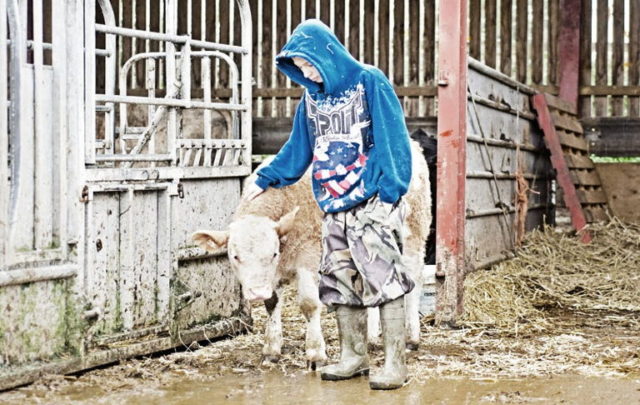
How Farms can Help Improve the Lives of Disadvantaged Young People
On social farms, health, social or specialist educational care services for vulnerable people are delivered through structured programmes of farming-related activities. Social farming is established in numerous European countries. Norway currently operates 1,100 social farms, compared to 240 in the UK.
July 20, 2018