

Co-Director, Research Program on Economic and Social Rights, Human Rights Institute, and Associate Professor, Department of Political Science., University of Connecticut
'SELECT SQL_CALC_FOUND_ROWS wp_posts.ID
FROM wp_posts INNER JOIN wp_postmeta ON ( wp_posts.ID = wp_postmeta.post_id )
WHERE 1=1 AND (
wp_posts.ID NOT IN (
SELECT object_id
FROM wp_term_relationships
WHERE term_taxonomy_id IN (47485,47486)
)
) AND (
(
( wp_postmeta.meta_key = \'the_author\' AND wp_postmeta.meta_value = \'3483663\' )
OR
( wp_postmeta.meta_key = \'secondary_author\' AND wp_postmeta.meta_value LIKE \'{4a7107c08fdf1753fc969d00ee446ccbab1cf0e1b5f42cfdf845e86b80a08eb6}\\"3483663\\"{4a7107c08fdf1753fc969d00ee446ccbab1cf0e1b5f42cfdf845e86b80a08eb6}\' )
)
) AND wp_posts.post_type = \'post\' AND ((wp_posts.post_status = \'publish\'))
GROUP BY wp_posts.ID
ORDER BY wp_posts.post_date DESC
LIMIT 0, 6'
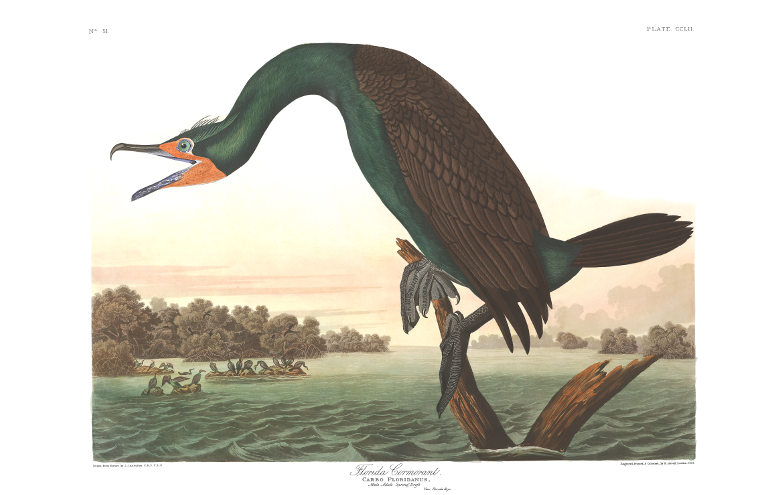
American environmentalism’s racist roots have shaped global thinking about conservation
American environmentalism’s racist roots have influenced global conservation practices. Most notably, they are embedded in longstanding prejudices against local communities and a focus on protecting pristine wildernesses.
October 16, 2020