

'SELECT SQL_CALC_FOUND_ROWS wp_posts.ID
FROM wp_posts INNER JOIN wp_postmeta ON ( wp_posts.ID = wp_postmeta.post_id )
WHERE 1=1 AND (
wp_posts.ID NOT IN (
SELECT object_id
FROM wp_term_relationships
WHERE term_taxonomy_id IN (47485,47486)
)
) AND (
(
( wp_postmeta.meta_key = \'the_author\' AND wp_postmeta.meta_value = \'3475912\' )
OR
( wp_postmeta.meta_key = \'secondary_author\' AND wp_postmeta.meta_value LIKE \'{326ca767ebca5e256a6757a4a0b585d8a7d623a729372d37034a8c7328a6f5b0}\\"3475912\\"{326ca767ebca5e256a6757a4a0b585d8a7d623a729372d37034a8c7328a6f5b0}\' )
)
) AND wp_posts.post_type = \'post\' AND ((wp_posts.post_status = \'publish\'))
GROUP BY wp_posts.ID
ORDER BY wp_posts.post_date DESC
LIMIT 0, 6'
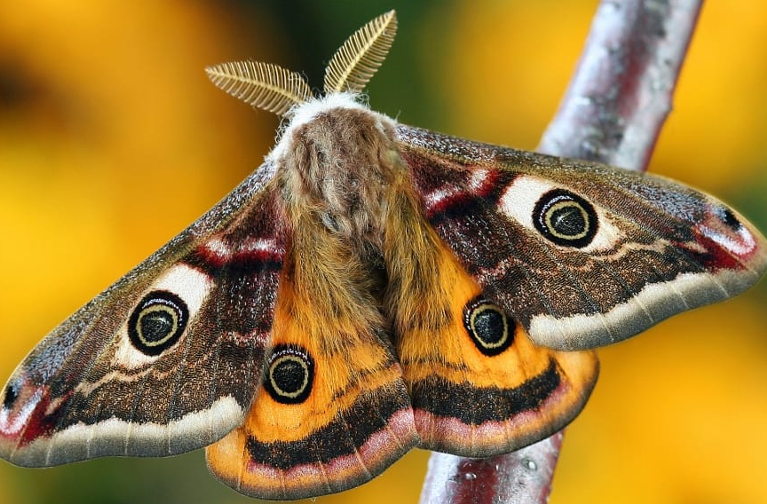
Intensive Agriculture Driving Worldwide Decline of Insects
Over 40% of insect species are at risk of extinction over the next few decades and 75% to 98% of insect biomass has already been lost, according to this review of the current state of knowledge about insect declines, with habitat loss through conversion to intensive agriculture being the main driver. Agro-chemical pollutants, invasive species and climate change are also driving insect declines.
February 21, 2019