

Professor of Environmental Law, University of Stirling
'SELECT SQL_CALC_FOUND_ROWS wp_posts.ID
FROM wp_posts INNER JOIN wp_postmeta ON ( wp_posts.ID = wp_postmeta.post_id )
WHERE 1=1 AND (
wp_posts.ID NOT IN (
SELECT object_id
FROM wp_term_relationships
WHERE term_taxonomy_id IN (47485,47486)
)
) AND (
(
( wp_postmeta.meta_key = \'the_author\' AND wp_postmeta.meta_value = \'3505306\' )
OR
( wp_postmeta.meta_key = \'secondary_author\' AND wp_postmeta.meta_value LIKE \'{477975d8559351d6d30ad4d18f25eb1b1cb2e666d97b81a8b8cd98586de8da90}\\"3505306\\"{477975d8559351d6d30ad4d18f25eb1b1cb2e666d97b81a8b8cd98586de8da90}\' )
)
) AND wp_posts.post_type = \'post\' AND ((wp_posts.post_status = \'publish\'))
GROUP BY wp_posts.ID
ORDER BY wp_posts.post_date DESC
LIMIT 0, 6'
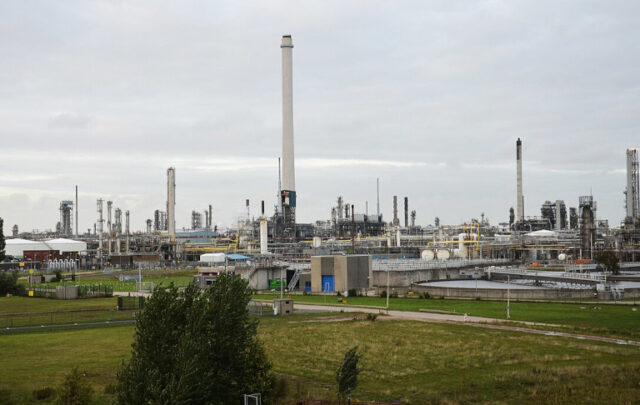
Shell’s legal victory is disappointing – but this is not the end for corporate climate litigation
While the ruling on Shell’s appeal might undermine other lawsuits asking courts to set company-specific emission reduction targets, the affirmation by the appeals court of a general obligation for companies to reduce emissions offers plenty of room for further litigation against companies.
November 18, 2024