

Associate Professor of Economics and Public Policy, Carnegie Mellon University
'SELECT SQL_CALC_FOUND_ROWS wp_posts.ID
FROM wp_posts INNER JOIN wp_postmeta ON ( wp_posts.ID = wp_postmeta.post_id )
WHERE 1=1 AND (
wp_posts.ID NOT IN (
SELECT object_id
FROM wp_term_relationships
WHERE term_taxonomy_id IN (47485,47486)
)
) AND (
(
( wp_postmeta.meta_key = \'the_author\' AND wp_postmeta.meta_value = \'3503303\' )
OR
( wp_postmeta.meta_key = \'secondary_author\' AND wp_postmeta.meta_value LIKE \'{56a4c0a23874a6dbb3c60c624bf1cc8d75182bd7bc3211ea60d708e724db6d2a}\\"3503303\\"{56a4c0a23874a6dbb3c60c624bf1cc8d75182bd7bc3211ea60d708e724db6d2a}\' )
)
) AND wp_posts.post_type = \'post\' AND ((wp_posts.post_status = \'publish\'))
GROUP BY wp_posts.ID
ORDER BY wp_posts.post_date DESC
LIMIT 0, 6'
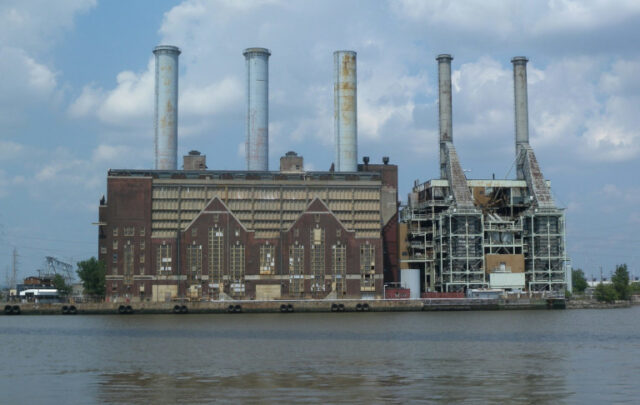
Utilities rely on dirty ‘peaker’ plants when power demand surges, but there are alternatives
My research focuses on the economic and environmental costs and benefits of producing electricity. Here’s how the clean energy transition is changing the role of peaker plants and some other options for keeping the lights on during peak demand periods.
September 10, 2024