

Professor of Sociology, Director of the Institute of Behavioral Science, University of Colorado Boulder
'SELECT SQL_CALC_FOUND_ROWS wp_posts.ID
FROM wp_posts INNER JOIN wp_postmeta ON ( wp_posts.ID = wp_postmeta.post_id )
WHERE 1=1 AND (
wp_posts.ID NOT IN (
SELECT object_id
FROM wp_term_relationships
WHERE term_taxonomy_id IN (47485,47486)
)
) AND (
(
( wp_postmeta.meta_key = \'the_author\' AND wp_postmeta.meta_value = \'3514575\' )
OR
( wp_postmeta.meta_key = \'secondary_author\' AND wp_postmeta.meta_value LIKE \'{04a1b166870abc31b5a48ee9418e74bc67d6f11f4a3ecfd62c510961d7773e17}\\"3514575\\"{04a1b166870abc31b5a48ee9418e74bc67d6f11f4a3ecfd62c510961d7773e17}\' )
)
) AND wp_posts.post_type = \'post\' AND ((wp_posts.post_status = \'publish\'))
GROUP BY wp_posts.ID
ORDER BY wp_posts.post_date DESC
LIMIT 0, 6'
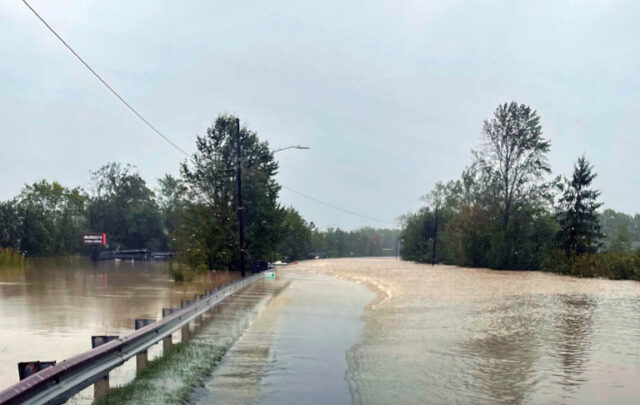
The aftermath of floods, hurricanes and other disasters can be hardest on older rural Americans – here’s how families and neighbors can help
Hurricanes, tornadoes and other extreme weather do not distinguish between urban and rural boundaries. But when a disaster strikes, there are big differences in how well people are able to respond and recover – and older adults in rural areas are especially vulnerable.
July 9, 2025