

Associate Professor in Urban Planning, The University of Melbourne
'SELECT SQL_CALC_FOUND_ROWS wp_posts.ID
FROM wp_posts INNER JOIN wp_postmeta ON ( wp_posts.ID = wp_postmeta.post_id )
WHERE 1=1 AND (
wp_posts.ID NOT IN (
SELECT object_id
FROM wp_term_relationships
WHERE term_taxonomy_id IN (47485,47486)
)
) AND (
(
( wp_postmeta.meta_key = \'the_author\' AND wp_postmeta.meta_value = \'3493759\' )
OR
( wp_postmeta.meta_key = \'secondary_author\' AND wp_postmeta.meta_value LIKE \'{065da8e8e43cf233bca187651dbd5d10177a38876a2c5179b2ca4a7564b41a77}\\"3493759\\"{065da8e8e43cf233bca187651dbd5d10177a38876a2c5179b2ca4a7564b41a77}\' )
)
) AND wp_posts.post_type = \'post\' AND ((wp_posts.post_status = \'publish\'))
GROUP BY wp_posts.ID
ORDER BY wp_posts.post_date DESC
LIMIT 0, 6'
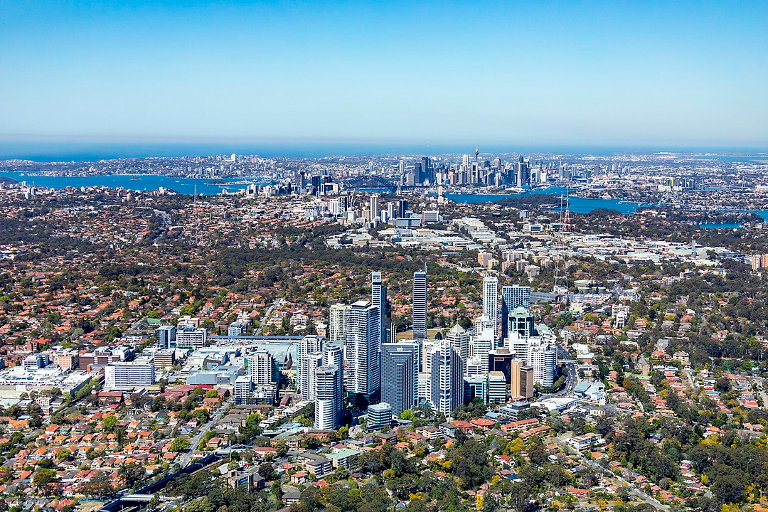
Our buildings are driving us closer to ‘climate hell’ – how do we get back on course to net zero?
Accounting for 37% of global carbon dioxide emissions, the built environment is a major part of the climate change problem. That also means it can and must be a key part of the solution.
November 15, 2022