

Associate Professor (Reader) in Plant-Animal Interactions, University of Plymouth
'SELECT SQL_CALC_FOUND_ROWS wp_posts.ID
FROM wp_posts INNER JOIN wp_postmeta ON ( wp_posts.ID = wp_postmeta.post_id )
WHERE 1=1 AND (
wp_posts.ID NOT IN (
SELECT object_id
FROM wp_term_relationships
WHERE term_taxonomy_id IN (47485,47486)
)
) AND (
(
( wp_postmeta.meta_key = \'the_author\' AND wp_postmeta.meta_value = \'3488911\' )
OR
( wp_postmeta.meta_key = \'secondary_author\' AND wp_postmeta.meta_value LIKE \'{a613661092f3588e284825c3112c4f7ae7498d6d93175b7093b5666864db0f75}\\"3488911\\"{a613661092f3588e284825c3112c4f7ae7498d6d93175b7093b5666864db0f75}\' )
)
) AND wp_posts.post_type = \'post\' AND ((wp_posts.post_status = \'publish\'))
GROUP BY wp_posts.ID
ORDER BY wp_posts.post_date DESC
LIMIT 0, 6'
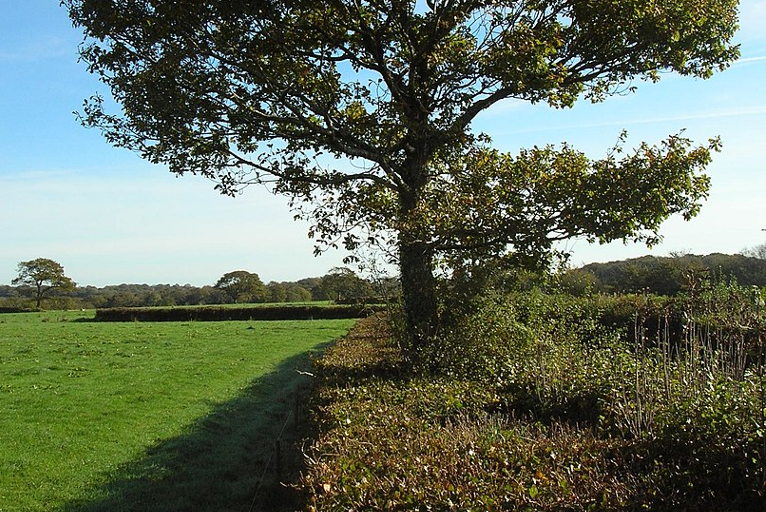
Growing bigger prickly hedges can reduce the chance of extreme weather – and a lot more
In highlighting how Britain lost half its hedgerow network in only 75 years following the post-WWII move to modernise farming, a recent report from the Council for the Protection of Rural England points out how hedgerows can reduce climate warming by naturally helping to remove CO₂ from the atmosphere.
October 5, 2021